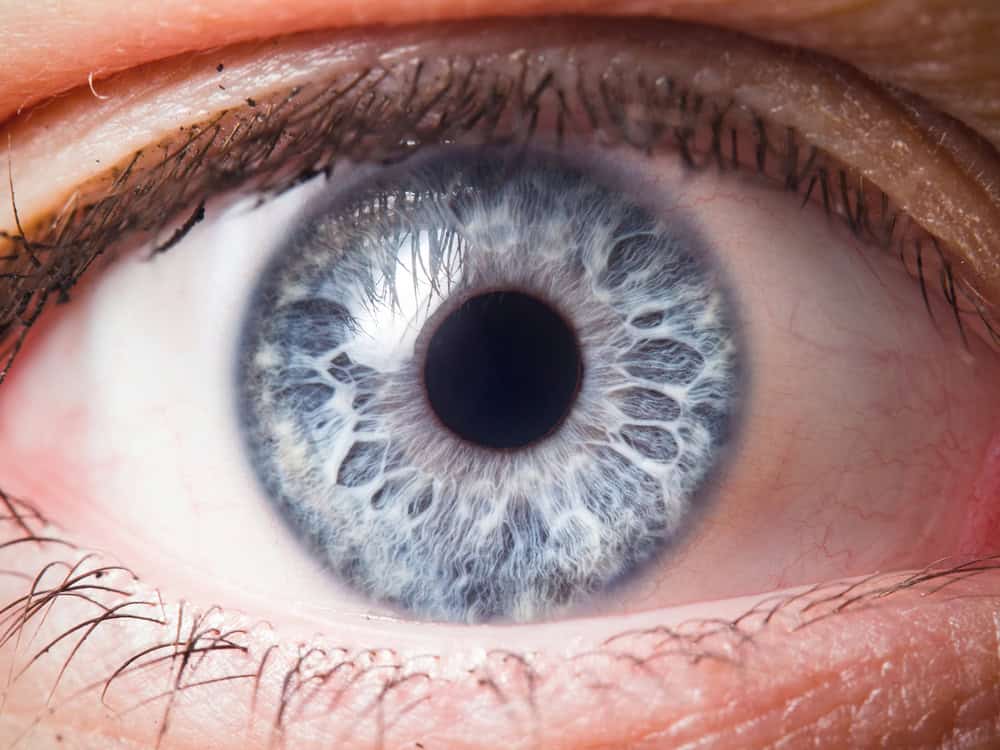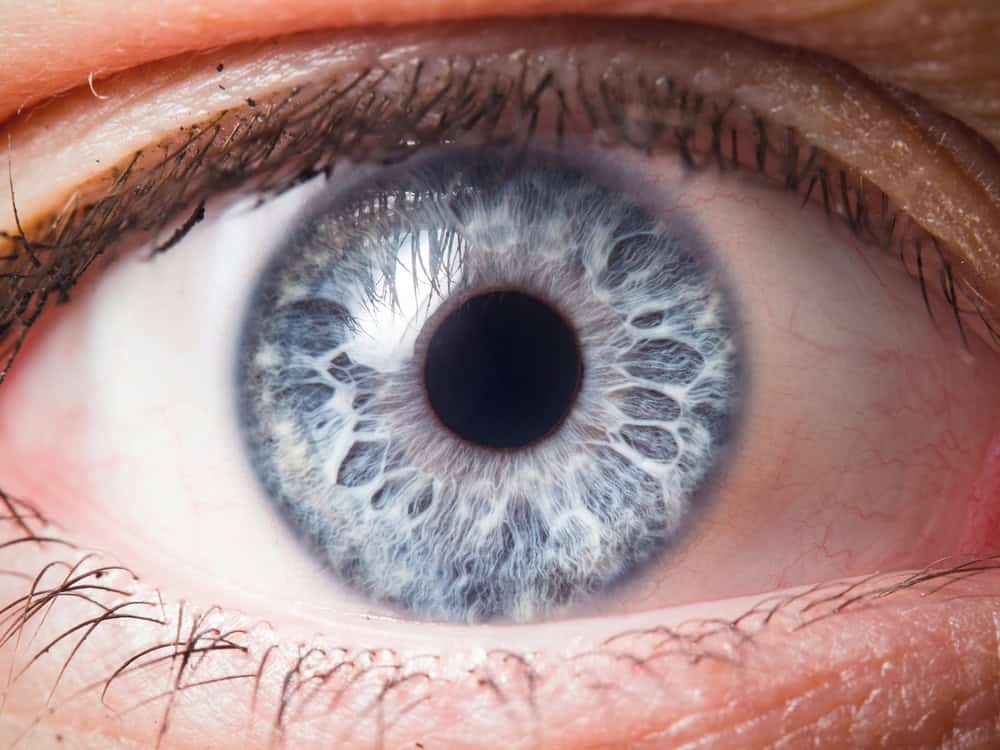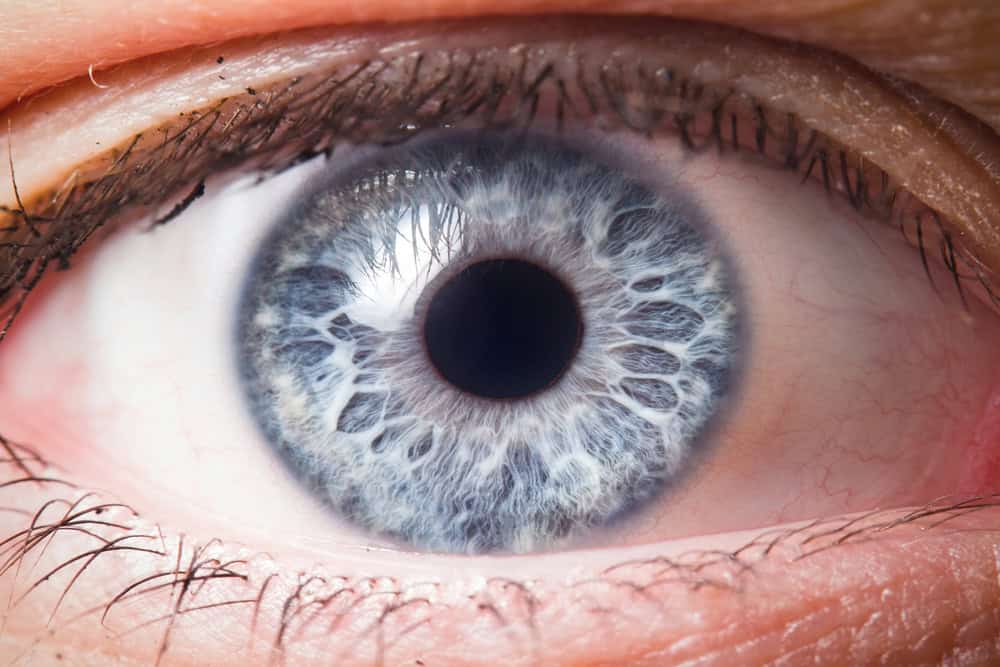

When Is the Right Time to Have Cataract Surgery?

When Is the Right Time to Have Cataract Surgery?

Clear, comfortable vision plays a big role in how you experience everyday life. As the natural lens of the eye changes with age, cataract surgery can restore sharper vision and help you enjoy daily activities with greater ease. Understanding when to consider surgery can help you make an informed decision about your eye health.

At Laser Eye Center of Miami in Miami, FL, board-certified Dr. Gabriel G. Lazcano, along with Dr. Abraham Awad, have helped thousands of people enjoy clearer vision. Dr. Lazcano performs advanced cataract surgery using the latest intraocular lenses to correct distance vision, reading vision, and astigmatism.

Signs It May Be Time for Cataract Surgery

Rather than waiting for your vision to worsen, it’s often best to consider cataract surgery once cataracts start limiting your daily activities.

You may be ready to consider cataract surgery if you notice:

  • Blurry or cloudy vision that doesn’t improve with new glasses
  • Difficulty driving at night because of glare or halos
  • Colors appearing dull or faded
  • Double vision in one eye
  • Trouble reading, watching television, or recognizing faces
  • Frequent changes to your eyeglass prescription with little improvement

Many people wait longer than necessary because they assume cataracts must be “ripe” before surgery. Modern cataract surgery can often be performed well before your vision becomes severely limited.

Why Waiting Too Long Isn’t Always Best

Delaying cataract surgery can lead to:

  • Greater difficulty with everyday activities such as reading, driving, and watching TV
  • An increased risk of falls or accidents due to reduced vision
  • Cataracts becoming denser over time, which can make surgery slightly more complex in some cases

An eye exam when you first notice vision changes allows your ophthalmologist to monitor your cataracts and recommend surgery when the timing is right.

Clear Vision Starts With an Evaluation

You deserve to enjoy clear, comfortable vision for the activities you love most. Meeting with an experienced cataract surgeon can help you understand when surgery is the right choice. At Laser Eye Center of Miami, Dr. Gabriel G. Lazcano and Dr. Abraham Awad will evaluate your eyes, discuss your lens options, and answer your questions so you can make an informed decision. 

To schedule your consultation in Miami, FL, call 305-443-4733 today.

What Causes Dry Eye And How to Treat It

What Causes Dry Eye And How to Treat It

Dry eye can develop for many different reasons, from spending long hours in front of a screen to age-related changes in tear production. Because the cause isn’t the same for everyone, finding lasting relief often starts with identifying the problem and choosing the right dry eye treatment for your eyes.

At Laser Eye Center of Miami in Miami, FL, Dr. Gabriel G. Lazcano and Dr. Abraham Awad combine years of experience with advanced technology to diagnose dry eye and recommend treatments that bring lasting relief.

What Causes Dry Eye?

Dry eye develops when your eyes don’t produce enough tears or when your tears evaporate too quickly. Healthy tears contain a balance of water, oils, and mucus that keep the surface of your eyes comfortable and clear.

Several factors can contribute to dry eye, including:

  • Aging, especially after age 50
  • Extended screen time and reduced blinking
  • Contact lens wear
  • Certain medications, such as antihistamines or antidepressants
  • Hormonal changes
  • Dry, windy, or air-conditioned environments
  • Medical conditions such as autoimmune disorders

Common Symptoms of Dry Eye

Dry eye doesn’t always feel like dryness. Many people are surprised by the variety of symptoms it can cause.

You may notice:

  • Burning or stinging eyes
  • A gritty or sandy sensation
  • Redness
  • Blurry vision that improves after blinking
  • Light sensitivity
  • Excessive tearing
  • Eye fatigue, especially after reading or using digital devices

Symptoms can range from mild irritation to discomfort that interferes with your daily routine.

How Is Dry Eye Treated?

Treatment depends on what’s causing your symptoms. During your eye exam, we will evaluate your tear production and the health of your eye surface before recommending care.

Treatment options may include:

  • Artificial tears for lubrication
  • Prescription eye drops to reduce inflammation
  • Warm compresses and eyelid hygiene
  • Lifestyle changes, such as taking screen breaks and using a humidifier
  • Treating underlying eyelid or medical conditions contributing to dry eye

You may find the greatest relief after identifying and treating the root cause rather than relying only on over-the-counter eye drops.

Find Dry Eye Relief in Miami, FL

Living with dry, irritated eyes doesn’t have to become your normal. The experienced team at Laser Eye Center of Miami can help you find lasting relief with comprehensive dry eye evaluations and advanced treatment options throughout Miami and Fort Lauderdale. 

Call 305-443-4733 to schedule your consultation and learn which treatment is right for you.

Can PRK Correct Astigmatism and High Prescriptions?

Can PRK Correct Astigmatism and High Prescriptions?

Astigmatism and high prescriptions don’t automatically rule out laser vision correction. PRK treatment has helped many people enjoy clearer vision without relying on thick glasses or contact lenses. A comprehensive eye exam can determine if it’s the right option for your eyes.

At Laser Eye Center of Miami in Miami, FL, board-certified Dr. Gabriel G. Lazcano along with Dr. Abraham Awad combine years of refractive surgery experience with the advanced WaveLight® Refractive Suite to help you find the right vision correction solution.

What Is PRK Treatment?

Photorefractive keratectomy (PRK) is a type of laser vision correction that reshapes the cornea to improve how light focuses on the retina. It can correct nearsightedness, farsightedness, and astigmatism, helping reduce or eliminate your need for glasses or contact lenses.

Unlike LASIK, PRK does not involve creating a corneal flap. Instead, the thin outer layer of the cornea is gently removed before the laser reshapes the underlying tissue. The surface naturally heals over the following days.

Can PRK Treat Astigmatism?

PRK reshapes the cornea so light focuses properly on the retina instead of scattering unevenly. This correction can reduce or eliminate astigmatism while also treating nearsightedness and farsightedness.

Many people with astigmatism choose PRK because it does not require creating a corneal flap. That makes it an excellent option for individuals with thinner corneas or those whose work or hobbies increase the risk of eye trauma.

Can PRK Correct High Prescriptions?

PRK can also correct many higher prescriptions, although every eye has its limits. During your consultation, your surgeon will carefully measure:

  • Your prescription
  • Corneal thickness
  • Corneal shape
  • Overall eye health
  • Tear film quality

These details help determine whether PRK is likely to give you clear, lasting vision or whether another procedure, such as clear lens extraction, would better meet your needs.

Is PRK the Right Choice for You?

PRK may be a good option if you:

  • Have astigmatism
  • Have mild to moderately high nearsightedness or farsightedness
  • Have thin corneas
  • Are not a good candidate for LASIK
  • Want long-term freedom from glasses or contacts

Although PRK recovery takes a little longer than LASIK, the long-term visual results are comparable for many qualified candidates.

Learn Whether PRK Is Right for You

The best way to know if PRK can correct your astigmatism or high prescription is through a comprehensive eye evaluation

Call 305-443-4733 to schedule your consultation and learn whether PRK is the right choice for your vision goals.

Posted in PRK

Can Presbyopia Affect Night Vision?

Can Presbyopia Affect Night Vision?

Night driving can become surprisingly frustrating as you get older. Headlights seem brighter, road signs are harder to read, and your eyes take longer to adjust to changing light. While cataracts are often blamed for these changes, presbyopia can also play a role. Understanding what’s causing your vision changes is the first step toward finding the right treatment.

At Laser Eye Center of Miami in Miami, FL, Dr. Gabriel G. Lazcano and Dr. Abraham Awad provide advanced refractive procedures and cataract surgery. Their experience and advanced technology help them recommend the right treatment for your vision needs.

How Can Presbyopia Affect Night Vision?

Presbyopia is a normal part of aging that usually begins in your 40s. It happens when the eye’s natural lens gradually becomes less flexible, making it harder to focus on nearby objects.

Although presbyopia is best known for causing reading difficulties, it can also make certain nighttime tasks feel more challenging. You may notice:

  • Difficulty reading dashboard displays or GPS screens
  • Trouble shifting focus between the road and nearby objects
  • Increased eye fatigue during evening driving
  • Slower focus when looking between different distances

Could Something Else Be Causing Your Night Vision Problems?

Night vision changes aren’t always caused by presbyopia alone. Several eye conditions can produce similar symptoms, including:

What Are Your Treatment Options?

Your treatment depends on what’s affecting your vision:

  • Reading glasses or multifocal contact lenses: These improve near vision for many people with presbyopia.
  • Clear lens extraction: This replaces your natural lens with an intraocular lens. It can improve both distance and reading vision.
  • Cataract surgery: This removes the cloudy lens and replaces it with a clear artificial lens. Premium lenses may also reduce your need for glasses.
  • Comprehensive eye evaluation: Your eye surgeon will examine your eyes, discuss your lifestyle, and recommend the right treatment for you.

Schedule Your Eye Evaluation in Miami With Us

Night driving shouldn’t feel stressful every time the sun goes down. The team at Laser Eye Center of Miami helps people throughout Miami and nearby Fort Lauderdale, FL, identify the cause of changing vision and explore advanced treatment options. 

Call 305-443-4733 today to schedule your consultation and find out which procedure is right for you.

Does Dry Eye Worsen with Age?

Does Dry Eye Worsen with Age?

Dry eye is a condition many patients notice gradually, often becoming more apparent over time. For individuals in Miami seeking answers about changing eye comfort and vision quality, understanding how dry eye relates to aging is essential. At Laser Eye Center of Miami, our experienced eye doctors evaluate the underlying causes of dry eye and offer advanced treatment options tailored to each patient’s needs.

How Aging Affects Tear Production

As the body ages, natural tear production may decline. The tear film, which keeps the eyes lubricated and protected, can become less stable over time. This may lead to symptoms such as irritation, burning, fluctuating vision, or a gritty sensation. Hormonal changes, particularly in women, can also influence tear quality and contribute to dryness.

Changes in Meibomian Gland Function

The meibomian glands along the eyelids produce oils that help prevent tears from evaporating too quickly. With age, these glands may become less efficient or blocked, leading to evaporative dry eye. This is one of the most common forms of dry eye and can worsen without proper management.

Other Age-Related Factors

Several other age-related factors may contribute to dry eye symptoms. These include:

  • Increased use of medications that may reduce tear production
  • Prolonged screen time, which can reduce blinking
  • Changes in eyelid position or function
  • Environmental exposures over time

Each of these elements can compound, making dry eye more noticeable as patients get older.

Does Dry Eye Always Get Worse?

While dry eye is more common with age, it does not always progressively worsen for every patient. Early diagnosis and consistent management may help stabilize symptoms and maintain comfort. Modern treatments are designed to address both tear production and tear quality, allowing for a more targeted approach to care.

Treatment Options for Long-Term Comfort

Advancements in dry eye treatment allow our doctors to tailor care to the underlying cause of the condition. Options may include prescription eye drops, in-office therapies, and lifestyle adjustments to support tear film health. A comprehensive evaluation helps determine the most appropriate approach for each patient.

When to Seek Evaluation

If you are experiencing ongoing dryness, irritation, or fluctuating vision, you may benefit from a professional assessment. Identifying the source of symptoms early can help guide effective treatment and improve overall eye comfort.

Dry eye may become more noticeable with age, but it can often be managed with the right approach. To learn more about dry eye treatment from reputable doctors in the Miami/Fort Lauderdale area, contact Laser Eye Center of Miami at (305) 443-4733 to schedule a consultation.

Understanding Your Lens Options for Clear Lens Extraction

Understanding Your Lens Options for Clear Lens Extraction

Choosing clear lens extraction is about more than improving vision — it is about selecting the right lens to support how you use your eyes every day. Patients exploring this procedure at Laser Eye Center of Miami, led by Gabriel G. Lazcano, MD, are often surprised at how many lens options are available, each designed to enhance vision in different ways.

What Is Clear Lens Extraction?

Clear lens extraction, also known as refractive lens exchange, involves removing the eye’s natural lens and replacing it with an artificial intraocular lens. This procedure is similar to cataract surgery but is performed before a cataract develops. It is often recommended for patients with presbyopia or high refractive errors who may not be ideal candidates for LASIK.

Types of Intraocular Lenses (IOLs)

There are several lens options available, each designed to address different visual needs.

  • Monofocal lenses provide clear vision at a single distance, typically set for either near or far vision. Patients may still require glasses for certain tasks.
  • Multifocal lenses are designed to improve vision at multiple distances, allowing patients to see near, intermediate, and far with reduced reliance on glasses.
  • Extended depth of focus (EDOF) lenses create a continuous range of vision, particularly improving intermediate and distance clarity while offering some near vision support.
  • Toric lenses are specifically designed for patients with astigmatism, correcting irregular corneal shape while also addressing distance vision.

How to Choose the Right Lens

Selecting the right lens depends on several factors, including daily activities, occupation, and expectations for visual independence. Patients who spend significant time on computers may benefit from lenses that emphasize intermediate vision, while those who prioritize reading may prefer lenses that enhance near vision. A comprehensive evaluation helps determine which option aligns best with the patient’s goals.

Benefits of Custom Lens Selection

Choosing the appropriate IOL can enhance visual clarity and reduce dependence on corrective eyewear. Modern lens technology enables a more customized approach, supporting a range of visual needs while maintaining clear vision at different distances. This level of personalization is a key advantage of clear lens extraction.

Visit Our Practice for a Consultation

A consultation includes detailed eye measurements and a discussion of vision preferences. Advanced diagnostic tools are used to assess eye health and guide lens selection. Patients receive tailored recommendations from the top refractive surgeon in Miami and Fort Lauderdale, based on clinical findings and lifestyle considerations.

Clear lens extraction offers a proactive approach to vision correction with long-term benefits. To learn more about your lens options and determine the right path forward, contact Laser Eye Center of Miami at (305) 443-4733 to schedule a consultation today.

Exploring The Benefits Of Advanced Surface Ablation Laser Treatment

Exploring The Benefits Of Advanced Surface Ablation Laser Treatment

If you’re considering vision correction, Advanced Surface Ablation (ASA) may be the ideal option for you. Offered by the experienced specialists at the Laser Eye Center of Miami, this non-cutting laser vision correction procedure is a safe and effective alternative to traditional LASIK. With a strong focus on personalized treatment, this practice in Miami, FL ensures your care is handled with precision and expertise from start to finish.

What Makes ASA Different From LASIK?

Unlike LASIK, ASA does not involve creating a corneal flap. Instead, the outermost layer of your eye, the epithelium, is gently removed to allow for laser reshaping of the cornea beneath. This approach reduces the risk of flap-related complications and is particularly suitable if you have thinner corneas or lead an active lifestyle that puts you at risk for eye trauma.

Because there’s no flap involved, ASA preserves more of your corneal structure and integrity. This makes it a reliable choice if you’re seeking long-term safety without compromising visual outcomes.

Benefits You Can Expect From ASA

One of the key advantages of ASA is the high level of precision it offers. Your treatment is customized based on detailed corneal mapping, ensuring optimal correction of nearsightedness, farsightedness, and astigmatism. With advanced laser technology, ASA can improve not only how well you see but also how clearly and sharply you perceive the world around you.

Since there’s no flap created, ASA carries a lower risk of complications, particularly for athletes or individuals working in physically demanding environments. Over time, you can experience stable vision correction with fewer concerns about post-surgical issues.

What To Expect During Recovery

While ASA may involve a slightly longer recovery period compared to LASIK, the healing process is well-supported with medicated eye drops, protective contact lenses, and personalized follow-up care. Within a few days, you can expect noticeable improvement, with continued enhancement in vision over the following weeks.

Your comfort and safety are closely monitored every step of the way. The team at Laser Eye Center of Miami ensures you receive the right care plan based on your specific needs and healing response.

Discover Clearer Vision With Trusted Experts

When you’re ready to explore safer, flap-free laser vision correction, the Laser Eye Center of Miami is here to guide you. Located in Miami, FL, and led by highly skilled professionals, this practice offers exceptional care and results through Advanced Surface Ablation. Call ( 305) 443-4733 to schedule your consultation and find out if ASA is the right solution for your vision goals.

Blue Light and Your Eyes: Should You Worry About Exposure?

Blue Light and Your Eyes: Should You Worry About Exposure?

Your digital devices are a constant part of your day, but have you ever considered how the blue light from screens might be affecting your eyes? As screen time increases, so do concerns about long-term eye health. If you’re looking for trustworthy guidance on protecting your vision, a comprehensive eye exam from the experienced professionals at the Laser Eye Center of Miami can help you make informed decisions.

Continue reading

PRK vs. LASIK: Which Laser Eye Surgery is Right for You

PRK vs. LASIK: Which Laser Eye Surgery is Right for You

If you are considering vision correction, two of the most common options are LASIK and PRK. At the Laser Eye Center of Miami, you can trust experienced specialists who will help you determine which treatment best fits your needs. Choosing this practice in Miami, FL means you benefit from advanced technology, personalized care, and a commitment to achieving the clearest vision possible.

Understanding LASIK

With LASIK, a thin flap is created in the cornea before reshaping the underlying tissue with a laser. The flap is then repositioned, allowing for a relatively quick recovery. You may notice improved vision within 24 to 48 hours, and discomfort is usually minimal. LASIK is often recommended if you have a healthy corneal thickness and want faster results with less downtime.

Understanding PRK

PRK does not involve creating a flap. Instead, the surface layer of the cornea is gently removed before laser reshaping begins. A protective lens is placed over the eye to support healing. Recovery can take longer than LASIK, but the procedure may be a better choice if you have thin corneas, irregularities, or lifestyle needs that make flap-related risks less desirable. PRK has proven long-term effectiveness and safety for eligible patients.

Comparing Benefits and Considerations

Both LASIK and PRK can successfully correct nearsightedness, farsightedness, and astigmatism. LASIK generally offers faster recovery and less initial discomfort, making it especially appealing if you want to return to daily activities quickly. PRK, while requiring a longer healing period, eliminates the potential complications related to corneal flaps and may provide equally sharp and reliable long-term vision.

When deciding between the two, your eye health, corneal thickness, and personal lifestyle play a significant role. A thorough consultation is essential to assess which procedure will deliver the safest and best results for your individual situation.

Explore Your Options or Clear Vision

Your journey to sharper vision begins with a personalized evaluation at Laser Eye Center of Miami in Miami, FL. During your consultation, you’ll receive a thorough assessment of your eye health, lifestyle needs, and vision goals to help determine whether LASIK or PRK is right for you. With expert guidance, advanced diagnostic technology, and a team dedicated to precision and patient comfort, you can move forward with confidence knowing your care is in experienced hands. Call (305) 443-4733 today to schedule your consultation and take the first step toward long-lasting visual freedom from glasses and contact lenses.

Living with Glaucoma: Lifestyle Tips for Healthy Vision

Living with Glaucoma: Lifestyle Tips for Healthy Vision

If you are living with glaucoma, managing your daily habits can make a real difference in protecting your sight. At Laser Eye Center of Miami, you receive personalized treatment and compassionate care from a trusted team in Miami, FL. With advanced approaches to managing glaucoma, you can feel confident knowing you have experts guiding your journey toward healthier vision. Choosing this practice means you are partnering with highly trained specialists dedicated to preserving your eye health for the long term.

Continue reading